Male Scammer Austin Allen
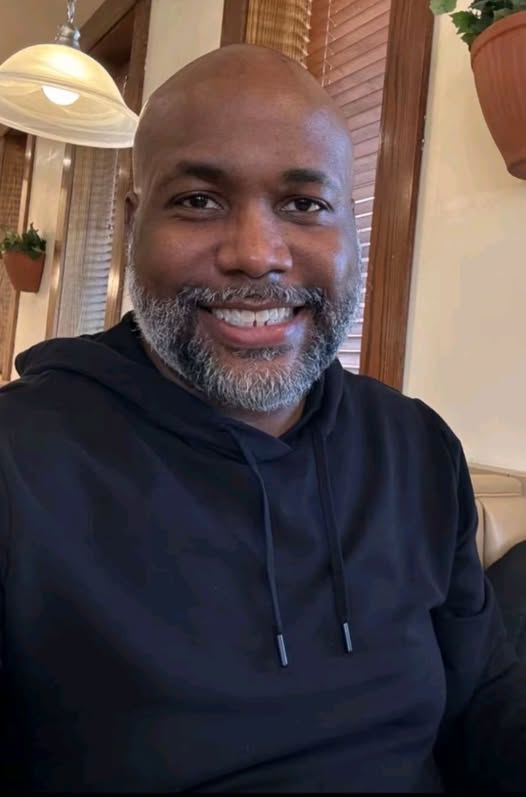
Scammer Austin Allen
E-mail:
☆☆☆☆☆ 0 ratings
Scam Danger:
 |
Details |
|
| First Name: | Austin |
| Location [Address]: | |
| Age: | |
| Aka: | |
| Aliases: | |
| Phone: | |
Reports :
I am writing this report to explain my experience with a male individual who presented himself to me as Austin Allen. I am choosing not to include any personal name or identifying details about myself in this report because the situation has been emotionally painful, stressful, and difficult to speak about. However, I believe it is important to place this experience on record so that his behavior can be reviewed seriously and so that other people may be protected from similar emotional manipulation.
When I first came into contact with Austin Allen, he appeared to be kind, respectful, and emotionally sincere. His approach did not seem suspicious in the beginning. He communicated in a calm and gentle way, and he made me feel comfortable enough to continue the conversation. He seemed interested in my life, my feelings, and my daily experiences. He gave the impression that he was not just casually talking, but that he wanted to know me on a deeper level.
At first, his messages felt warm and thoughtful. He would ask how I was doing, show concern, and respond in ways that made me feel heard. He used words that felt caring and personal. I believed he was a genuine man who was looking for a serious connection. He did not immediately make demands or behave aggressively. Instead, he slowly built trust by being consistent, affectionate, and emotionally available.
As time passed, Austin Allen became more romantic in his communication. He started using loving words and made me feel special. He gave me the impression that I had become important to him. He spoke about feelings, trust, loyalty, and a possible future together. His words were convincing, and because he repeated them often, I began to believe them. I allowed myself to trust him because he made the relationship feel real.
He presented himself as someone who was sincere and serious. He made it seem as though he had been waiting for the right person and that he had finally found someone he could trust. He expressed emotions in a way that felt deep and meaningful. At the time, I believed his affection was genuine. I thought he was opening his heart and sharing his feelings honestly. I did not realize that these words might be part of a planned emotional manipulation.
Looking back now, I can see that he built the connection carefully. He did not rush into suspicious behavior right away. He first created emotional closeness. He made me feel understood, valued, and needed. He used affection to create trust and used trust to make me emotionally attached. This made it harder for me to question him later because I already believed he cared about me.
Austin Allen often shared personal stories that made him appear vulnerable or troubled. He talked about difficulties in his life and situations that made me feel sorry for him. He made it seem like he was dealing with problems alone and had very few people he could depend on. Because I cared about him, I listened and responded with sympathy. I wanted to be supportive because I believed he trusted me enough to share his struggles.
Over time, he made me feel like I was one of the only people who truly understood him. He would say things that made me feel emotionally important to him. He made it seem as though my care and support gave him strength. This created a feeling of responsibility inside me. If he sounded upset, I worried. If he said he was facing a problem, I felt concerned. I did not understand at the time that this emotional responsibility could be part of the manipulation.
After he gained my trust, the nature of the communication began to change. Austin Allen started bringing up problems that sounded urgent or serious. These problems were presented in a way that made me feel worried for him. He made it seem as though he was facing difficult circumstances and that he had no one else to rely on. The situations often felt time-sensitive, which created pressure. He did not always directly force me, but he used emotion, guilt, affection, and urgency to influence my feelings.
Whenever I asked questions or showed hesitation, he would respond emotionally. He would reassure me that everything he said was true. He would make promises that things would be resolved soon. Sometimes he made me feel guilty for doubting him, as if asking questions meant that I did not trust him or did not care about him. This made it difficult for me to think clearly. Instead of receiving clear proof or honest answers, I often received emotional explanations that pulled me back into trusting him.
He spoke about a future together and used those promises to keep hope alive. He made me believe that the difficulties were temporary and that everything would eventually become better. He made it seem like patience, understanding, and support were necessary for the relationship to move forward. Because I believed in the connection, I held on to that hope. I wanted to believe that the love he expressed was real.
As time went on, I began to notice inconsistencies. Some of the things Austin Allen said did not fully match earlier conversations. Some explanations changed, and some details were unclear. Plans were delayed, promises were not fulfilled, and there was always a reason why things could not happen as expected. When there was a chance for him to verify his identity or provide clear proof of what he was saying, excuses would appear. These repeated excuses slowly made me suspicious.
Even though I noticed warning signs, it was not easy to accept that I might have been deceived. By that time, I had already invested emotions, time, trust, and hope into the relationship. I had believed his words. I had allowed myself to care about him. Accepting that someone may have used my emotions against me was very painful. Part of me still wanted to believe that he was genuine because the truth felt too hurtful to face.
The manipulation was gradual. It did not happen all at once. Austin Allen first used kindness and affection to build trust. Then he used personal struggles to create sympathy. After that, he created urgency and emotional pressure. He made me feel that supporting him was a sign of love and loyalty. He made me feel guilty when I questioned him. This pattern made it difficult to separate emotion from reality.
I believe Austin Allen’s behavior followed the pattern of a romance scam. He created a romantic bond, gained emotional trust, made promises about love and commitment, shared personal struggles, created urgent situations, avoided proper verification, and used emotional pressure when I had doubts. His behavior caused confusion, stress, sadness, and emotional harm. What seemed like a relationship began to feel like a pattern of manipulation.
The emotional impact of this experience has been serious. It is painful to realize that someone may have pretended to care in order to take advantage of trust. I felt hurt because I believed him. I felt embarrassed because I questioned how I could have trusted someone so deeply. I felt angry because my kindness and concern were used against me. I also felt confused because many of his words had felt real at the time.
The hardest part is the betrayal. It is not only about the suspicious behavior or the possible scam. It is about being made to believe that there was love, care, and a future, only to later realize that these things may have been used as tools to manipulate me. The affection that once comforted me became painful to remember. The promises that once gave me hope later felt like part of a trap.
Austin Allen made me emotionally attached before I fully understood what was happening. He knew how to speak in a way that touched my heart. He knew how to make me feel special. He knew how to create sympathy and concern. He also knew how to make me feel guilty for doubting him. This kind of emotional pressure affected my judgment and caused me a lot of stress.
When someone uses romance to deceive another person, the damage is not only practical or financial. It affects the heart, the mind, and the ability to trust others. After this experience, I found myself replaying conversations and trying to understand what was real and what was false. I became more cautious and emotionally guarded. I felt ashamed at times, even though I now understand that the blame belongs to the person who manipulated the situation, not to the person who trusted.
I want this report to make it clear that I believed I was communicating with someone sincere. I did not knowingly become involved in anything dishonest. I trusted Austin Allen because he worked hard to appear trustworthy. I cared because he made me believe he cared too. I believed the relationship had meaning because he repeatedly spoke about love, loyalty, and a future together. My trust was genuine, but I believe that trust was misused.
Austin Allen’s words carried emotional weight. When he spoke about love, commitment, and loyalty, I believed those words. They affected my feelings and my decisions. If those words were not genuine, then they were used in a harmful and deceptive way. A person should not use affection, sympathy, and promises to control another person emotionally.
I also want to explain that romance scams can be difficult to recognize while they are happening. From the outside, it may seem easy to question why someone trusted another person. But from the inside, the situation feels different. The person does not begin with obvious deception. They begin with attention, care, patience, and emotional closeness. They slowly build trust and learn how to speak to the person’s emotions. By the time the warning signs become clearer, the person is already emotionally involved.
That is what happened in this situation. At first, I saw kindness. I saw affection. I saw someone who seemed serious and caring. I saw someone who made me feel important. Only later did I begin to see the repeated excuses, unclear stories, emotional pressure, and lack of proper verification. By then, the emotional damage had already started.
There were moments when I felt unsure, but I did not know how to respond. If I questioned him, he made me feel guilty. If I pulled back, he became more loving or more emotional. This created a cycle where I felt caught between doubt and sympathy. I now recognize that this kind of behavior can be a form of emotional control. It keeps a person attached even when there are reasons to be careful.
I am submitting this report because I want Austin Allen’s behavior to be taken seriously. This was not simply a failed relationship or a normal misunderstanding. The pattern of affection, trust-building, personal hardship, urgency, excuses, and emotional pressure suggests a possible romance scam. I believe his actions were meant to manipulate emotions and take advantage of trust.
I request that any account, profile, phone number, email address, payment method, photographs, or communication details connected to Austin Allen be reviewed carefully. I also request that his actions be investigated as part of a possible romance scam. If he has used the same name, same photos, same method, or similar messages with other people, then it is important for that pattern to be identified.
I do not want anyone else to experience the pain, confusion, and emotional harm that I experienced. Romance scams can make a person feel foolish, ashamed, and alone. They can damage confidence and make it harder to trust others. The person targeted may feel embarrassed, but the responsibility belongs to the person who chose to deceive and manipulate.
This report is being made honestly from my point of view. I was led to believe that the relationship was genuine. I was given affection, promises, emotional attention, and hope. I was made to feel valued and needed. Later, I began to understand that the situation appeared to follow a manipulative pattern commonly seen in romance scams.
I want it to be known that Austin Allen’s actions caused real emotional harm. His communication created attachment, hope, guilt, concern, and pressure. He made the relationship feel meaningful while avoiding clear proof and accountability. He used emotional language to maintain trust even when there were reasons to doubt him.
No one should be allowed to use romance as a way to deceive another person. No one should use love, sympathy, and emotional promises as tools for control. A genuine person would not repeatedly avoid verification, create constant excuses, or make another person feel guilty for asking reasonable questions.
I am submitting this report with the hope that the situation will be reviewed properly and that appropriate action will be taken if wrongdoing is confirmed. I want this record to stand as a clear statement of what I experienced and how I was affected. My trust was real. My feelings were real. The emotional pain caused by this situation is real.
This experience has been difficult, but writing this report is a way of standing up for myself. I may have been misled, but I am choosing to speak honestly about what happened. I hope this report helps bring attention to the actions of Austin Allen and helps protect others from being manipulated in the same way.
Related Male Scammers:





Rate this Profile
Romance Scams Must read
- Dating Scams Are BIG Business
- Why scammers use fake docs?
- How to Recognize Scammer
- Asian And Chinese Online Dating Scam
- How to Recognize a Female Dating Scammer
- 10 Practical Steps to Stay Safe From Online Romance Scams
- Prevent Internet Dating Scams Using These 4 Tips
- How Romance Fraudsters Use Photoshop
- Avoid Internet Dating Scams With These 4 Practical Tips
- Gold & Romance Fraud Scenarios Led by Female Scammers
- Meeting a Model and Birthday Scam Scenarios
- Ukraine Online Dating Scams
- A Typical Translation Scam Scenario
- Online Dating Scams: The Costly Travel Scenario
- 10 Ways to Check Who You Are Chatting With
Popular Links

SWINDLERS LIST
-
Top 10 Scammers !!!
Beware of these scammers...Keep them out of your mail-box...

SCAM TOOLS
-
Block Scam Mails???
Cleaning your scam filled inbox can be effected by these tools
HELP DESK
-
Waiting to help You!!!
Every problem has a solution when discussed. Discuss with us to get a clear idea to keep your information unscathed from hypocrites